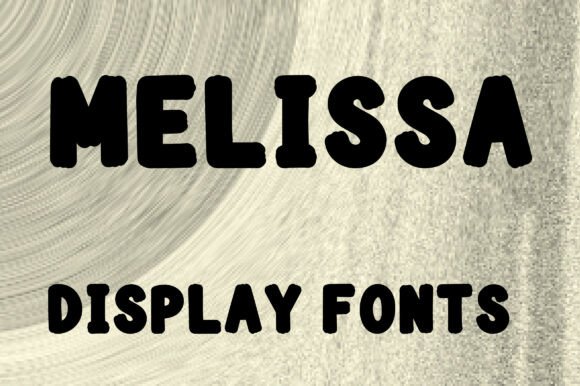
Melissa: The Playful Font for Modern Branding
Capturing attention in a crowded digital space requires a distinct visual voice, and the right typeface is your first word. Melissa, a bold and playful display font, offers a unique solution for designers seeking to inject warmth, personality, and retro-inspired charm into their work. Its thick, rounded strokes and handcrafted feel make it an invaluable creative asset for projects that demand a friendly and approachable aesthetic.
The Role of Typography in Visual Communication
In graphic design, typography is far more than just selecting a pretty font. It is a fundamental pillar of visual hierarchy and brand identity. The typeface you choose sets the emotional tone, influences readability, and communicates core brand values before a single sentence is read. A font like Melissa, with its quirky and cheerful character, instantly conveys creativity, approachability, and fun. This makes it a powerful tool for shaping user perception and enhancing engagement across various design contexts.
Practical Applications for a Charming Typeface
The versatility of a display font like Melissa allows it to shine across numerous creative projects. Its bold presence ensures key messages are seen, while its soft curves maintain a welcoming vibe. Consider integrating it into the following areas to elevate your visual design:
- Branding and Logo Design: Create memorable logos and brand marks for businesses in lifestyle, food, children's products, or creative services.
- Marketing Materials: Design eye-catching posters, flyers, and advertisements that stand out with a friendly, handcrafted touch.
- Social Media Graphics: Develop scroll-stopping content for Instagram, Pinterest, and TikTok where personality and visual appeal are paramount.
- Packaging Design: Add a personal, artisanal quality to product labels, boxes, and retail packaging that connects with consumers.
- Web and UI Design: Use for hero text, banners, or call-to-action buttons to inject warmth into digital interfaces and improve user experience.
- Editorial and Print Design: Enhance magazine layouts, book covers, or invitation suites with a touch of retro-inspired elegance.
Integrating Melissa into Your Design Workflow
Successfully incorporating a distinctive font like Melissa into your projects requires thoughtful application. Always consider its role within the broader design system. It excels as a headline or accent font but may not be suitable for long body text due to its display nature. Pair it with a clean, neutral sans-serif or serif font for body copy to ensure optimal readability and create a balanced visual hierarchy. Furthermore, test its scalability across different mediums, from a small social media icon to a large-scale poster, to ensure its character remains impactful at every size.
Choosing and Using Design Assets Effectively
When evaluating any creative resource, including fonts, designers should prioritize quality, compatibility, and licensing. A high-quality font like Melissa will include a complete uppercase A-Z and 0-9 character set, ensuring consistency in your branding. Always check that the asset aligns with your project's technical requirements and your brand's existing color palette and imagery. The goal is to build a cohesive visual language where every element, from typography to composition, works in harmony to deliver a polished and professional presentation.
Thoughtful design choices are the bridge between a concept and its successful execution. By selecting premium creative assets that align with your brand's personality and communication goals, you invest in clarity, engagement, and aesthetic quality. A resource like Melissa demonstrates how a single element can dramatically enhance the emotional resonance and visual impact of your work, ultimately leading to more effective and memorable design outcomes.